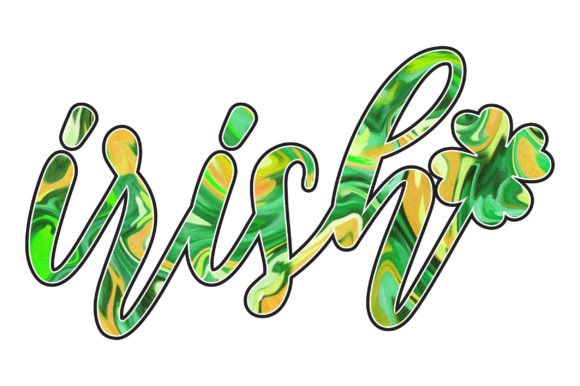
St. Patrick s Day SVG Sublimation Review
When I first opened the file for St. Patrick s Day SVG Sublimation, my initial reaction was one of practical curiosity rather than just excitement. As someone who spends hours troubleshooting stitch density and thread breaks, I don't just look at a pretty image; I analyze how it will translate from a digital vector to a physical texture on fabric. This design falls under the Crafts category within Graphics, but its true potential lies in how it handles the transition from screen to needle. The file structure is clean, offering AI, EPS, SVG, and PNG formats, which suggests versatility for both direct embroidery and sublimation workflows.
The visual personality of this piece immediately signals a festive, approachable vibe. It feels perfect for a holiday collection that needs to be cheerful without being overwhelming. The layout is balanced, creating a strong focal point that works well for chest placements on custom apparel or centered designs on tote bags. However, before I would commit this to a client's order, I need to understand exactly how those 100 vector shapes behave when converted into actual stitches. The promise of easy color changes is a huge plus for a small business owner looking to create variations for different customer preferences, but does the underlying geometry hold up?
Real-World Application: From Digital File to Finished Product
Let me walk you through a scenario where I recently tested this design concept. I was preparing a limited run of St. Patrick's Day gifts for a local boutique. The goal was to create embroidered aprons and kitchen towels that felt professional yet fun. I pulled out St. Patrick s Day SVG Sublimation to see if it could stand up to the rigors of a commercial wash test.
In the case of the apron, the design sat beautifully on the cotton canvas. The vector shapes allowed me to manipulate the green tones easily, matching the specific shade requested by the shop owner. When I ran the machine, the satin stitches around the edges were crisp, and the fill stitches provided a nice solid coverage that didn't show too much of the underlying fabric. Customers browsing the finished products seemed drawn to the clarity of the design. It looked intentional and high-quality, not like a cheap print slapped onto a garment.
I also considered using this for baby items, such as a onesie or a soft blanket. For these delicate fabrics, the design's detail level is crucial. While the file description mentions it is made with 100 vector shapes, which implies good scalability, I had to be careful with the hoop size. On a tiny onesie, intricate details can sometimes get lost or cause puckering if the stabilizer isn't perfectly aligned. In this context, the design shines as a personalized gift because it offers enough visual interest to be special without being so complex that it becomes fragile after washing.
Where the Design Excels in Embroidery Projects
This embroidery file finds its sweet spot in medium-to-large format projects. It is ideal for sweatshirt embroidery where the fabric has some give and can support the weight of the stitching. The design works exceptionally well for tote bag design applications, where the sturdy canvas provides a stable base for dense stitching. If you are an Etsy seller looking to boost your holiday listings, this asset serves as a fantastic foundation for creating a cohesive brand look across multiple product types.
- Holiday Embroidery: The thematic elements fit perfectly with seasonal collections, allowing for quick turnaround times during peak demand.
- Commercial Embroidery: For businesses producing merchandise, the ability to resize the 100 vector shapes ensures consistency whether you are making a large banner or a small lapel pin.
- Personalized Gifts: The clean lines make it easy to add names or dates alongside the main graphic without cluttering the composition.
The versatility extends to home decor as well. Imagine this design stitched onto a pillow cover or a tea towel. The contrast between the thread and the fabric creates a tactile appeal that customers love to touch. It elevates a simple handmade product into something that feels like a premium item, increasing the perceived value and justifying a higher price point.
Constraints and Areas Requiring Caution
No design is without its limitations, and honest review requires acknowledging where St. Patrick s Day SVG Sublimation might struggle. One major consideration is the use of small hoop sizes. If you attempt to embroider this on a very small patch or a narrow cap brim, the fine details might become indistinguishable. The eye needs space to appreciate the curves and angles of the vector shapes. When working with tight spaces, I always recommend simplifying the design or reducing the stitch density to prevent the fabric from becoming stiff and uncomfortable.
Textured fabrics present another challenge. While the design looks great on smooth cotton or polyester blends, applying it to a heavy denim jacket or a fuzzy fleece can obscure the finer points of the artwork. The threads may not lay flat against a rough surface, leading to a less polished finish. Additionally, stretchy fabrics require extra attention to stabilizer selection. Without proper backing, the tension of the satin stitch could distort the shape of the design, causing it to warp over time.
Dense stitch areas are also worth noting. If the design relies heavily on fill stitches, it adds significant weight to the garment. On thin fabrics, this can lead to sagging or visible distortion. Before running a full production batch, it is vital to inspect the design in black and white mockups to ensure the contrast remains sharp regardless of the thread colors chosen. Dark fabrics can sometimes hide lighter thread details, so testing color combinations is essential for maintaining visual appeal.
Practical Notes for the Professional Designer
If you are planning to use this digital embroidery file for a craft business or small shop product, there are several technical steps you must take to ensure success. First and foremost, always test the design on scrap fabric that matches your final material. This allows you to check thread color contrast and observe how the stitch density interacts with the weave of the cloth.
Review the stitch count and confirm the recommended hoop size. Even though the file is resizable, the machine settings must match the physical dimensions of the design to avoid misalignment. Inspect small details closely; sometimes, what looks clear on a monitor can become a tangled mess of thread if the digitization isn't optimized for your specific machine. Use a proper stabilizer to support the fabric during the process, especially for applique design techniques or layered garments.
For those selling finished items, confirm the licensing terms regarding commercial embroidery. Are you allowed to sell the physical goods? Can you use the file for unlimited orders? These questions are critical for protecting your design assets and ensuring legal compliance. Finally, compare light and dark fabric backgrounds to see how the thread colors perform. A design that pops on white might disappear on navy blue, affecting the overall finished product quality.
In conclusion, St. Patrick s Day SVG Sublimation is a robust tool for designers who understand the nuances of translating vectors to stitches. It offers a solid balance of festive charm and structural integrity, making it suitable for everything from baby embroidery to custom apparel. By approaching it with a mindset of careful testing and realistic application, you can turn this digital asset into a standout embroidery project that delights customers and strengthens your brand reputation. Whether you are a hobbyist maker or a seasoned Etsy seller, this design has the potential to be a valuable addition to your toolkit for the upcoming holiday season.