Pride Easter Bunny SVG Sublimation Review
When I first opened the folder for Pride Easter Bunny SVG Sublimation, my immediate thought wasn't about the holiday itself, but rather how this specific graphic would translate from a digital screen to actual thread. As someone who has spent years evaluating design assets for real-world embroidery projects, I look past the flashy colors and focus on structure, stitchability, and commercial viability. This design sits at the intersection of Crafts and Graphics, offering a vibrant visual that promises to stand out on custom apparel, but the devil is always in the details when moving from vector to fabric.
The First Impression: Mood and Visual Personality
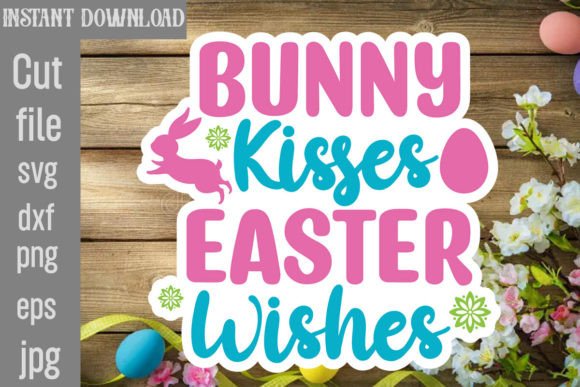
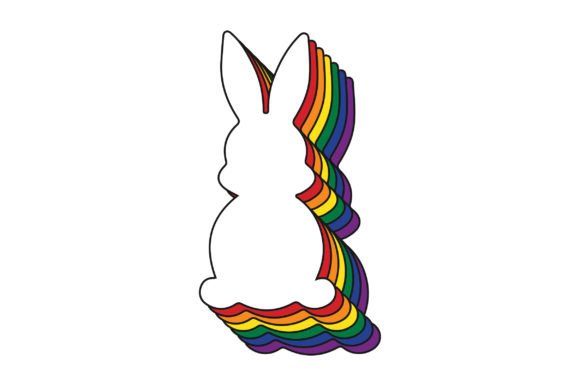
The Pride Easter Bunny SVG Sublimation design immediately strikes me as bold and inclusive. In a market saturated with traditional pastel bunnies, this file brings a necessary energy that resonates with modern branding trends. The layout appears balanced, utilizing the inherent symmetry of the bunny shape while integrating the colorful elements of the pride flag into the composition. For an embroidery designer, the initial visual appeal suggests a high level of engagement; customers scrolling through an Etsy shop or browsing a boutique catalog are likely to stop because this design feels celebratory rather than generic.
The description notes that the file includes AI, EPS, SVG, and PNG formats, which is a strong indicator of versatility. However, seeing the vector shapes does not guarantee a perfect stitch-out. My experience tells me that a design that looks great on a monitor can sometimes struggle with thread tension if the curves are too tight or the fill areas are too dense. The promise of "100 vector shapes" suggests a high degree of modularity, meaning we can likely isolate specific sections of the bunny to adjust thread colors or remove complex details before sending it to the machine. This flexibility is crucial for creating a professional finished product.
Real-World Application: From Screen to Stitch
I recently imagined using this design for a specific client project: a limited-run collection of embroidered tote bags for a local LGBTQ+ community center's spring fundraiser. The goal was to create something that felt handmade yet polished enough to justify a higher price point. Here is how I see Pride Easter Bunny SVG Sublimation performing in that scenario.
For a tote bag made of canvas, the design would shine. The sturdy fabric provides a stable base for the stitch density required to hold the vibrant colors together. If I were to use a satin stitch for the outline of the bunny and a fill stitch for the body, the texture would add depth that flat printing cannot achieve. The contrast between the colorful bunny and a natural beige or black canvas would make the design pop, increasing the perceived value of the item. It transforms a simple utility bag into a statement piece, perfect for a personalized gift or a boutique product.
However, the application changes depending on the garment. If I were to adapt this for a sweatshirt, the large surface area allows for a bigger version of the design, which often looks more proportionate on thicker fabrics. But for baby embroidery, such as on a onesie or a soft hat, I would need to be cautious. While the concept is adorable, the complexity of the rainbow pattern might require reducing the size significantly. On small items like caps or aprons, the detail could get lost in the stitching process, especially if the hoop size limits the design dimensions. In these cases, simplifying the running stitch details or removing the smallest gradients would be necessary to ensure clarity.
Navigating Technical Challenges and Fabric Constraints
Not every surface is created equal, and Pride Easter Bunny SVG Sublimation requires strategic placement to avoid common pitfalls. One of the most critical factors in embroidery is the fabric texture. On a stretchy knit fabric, like a standard t-shirt, the design needs to be stabilized heavily to prevent puckering. If the design is too large or the stitch count is too high, the fabric will distort, ruining the clean lines of the bunny ears and the pride stripes.
I also have to consider the color palette against the background. The design relies on distinct color blocks to convey its message. If placed on a dark fabric without a proper underlay or white backing, the colors might appear muddy or dull. Conversely, on a light fabric, the vibrancy should remain true, provided the correct thread colors are selected. Darker threads on light backgrounds can sometimes create a shadow effect that alters the intended mood of the design. Testing a sample on scrap fabric is non-negotiable here; you must verify that the applique design elements (if any) lay flat and that the satin stitch edges do not dig into the fabric.
Another area requiring careful attention is the curved surfaces of caps or hats. Embroidering a flat vector design onto a curved brim can cause distortion at the top and bottom edges. If the original vector shapes are not pre-compensated for curvature, the result might look stretched or compressed. For a commercial embroidery business, this is a risk factor that can lead to customer dissatisfaction. It is essential to confirm whether the file includes pre-curvature adjustments or if the software used to digitize it handles the conversion automatically.
Designing for Value and Trust
The ultimate goal of using a design like Pride Easter Bunny SVG Sublimation is to build trust with your audience. A well-executed embroidery project signals professionalism. When a customer receives a handmade product where the colors are crisp, the stitches are even, and the design sits perfectly centered, they are more likely to return for future purchases. The visual appeal of the pride theme combined with the tactile quality of embroidery creates a unique emotional connection that digital prints simply cannot match.
However, if the design is poorly executed—perhaps with loose threads, skipped stitches, or misaligned colors—the brand reputation suffers instantly. This is why checking the stabilizer choice is so important. Using the wrong type of stabilizer for the chosen fabric can cause the design to shift during the sewing process, leading to a crooked finish. Always inspect small details, such as the inner ears or any text, to ensure they are legible after stitching. Sometimes, what looks like a fine line in a vector file becomes a solid blob of thread once stitched.
Practical Notes for the Designer
Before committing this design to a production run, there are several steps every designer should take. First, test the design on scrap fabric that matches the final product in weight and texture. This reveals potential issues with hoop size limitations or thread tension problems early on. Second, review the stitch density. High-density designs consume more thread and time, which impacts profitability. Ensure that the fill stitch areas are optimized to minimize thread breaks and waste.
It is also vital to check the licensing terms. Even though the file is described as easy to change colors, you must confirm whether you are allowed to sell finished products featuring this design. Some licenses restrict commercial use or limit the number of units produced. Additionally, compare the design in both color and black-and-white mockups. This helps visualize how the design will look on different colored garments and ensures that the contrast remains effective regardless of the background.
Finally, consider the lifecycle of the product. Items that require frequent washing, like kitchen towels or baby clothes, need durable stitching. If the design is too intricate, it may fray over time. For long-lasting results, opt for simpler outlines and robust fill patterns. By taking these practical steps, you ensure that Pride Easter Bunny SVG Sublimation serves as a reliable asset for your craft business, allowing you to focus on creativity rather than troubleshooting technical errors.