Magic on Every Page SVG Embroidery Review
As a designer who spends half my life staring at stitch charts and the other half troubleshooting tension issues, I have learned to be skeptical of any digital asset that promises too much. When Magic on Every Page SVG landed in my inbox, I didn’t immediately assume it was ready for the hoop. In the world of digital design assets, there is a massive difference between a graphic that looks good on a screen and one that translates beautifully into thread. My job is to bridge that gap, testing how these files perform when they leave the computer and enter the machine.
I approached this review with a specific project in mind: a batch of custom embroidered tote bags for a local boutique client who wanted a "book lover" aesthetic without being cliché. The request was for something whimsical but clean, suitable for both personal gifts and small shop merchandise. This is where the practical evaluation begins. Does the visual personality of Magic on Every Page SVG hold up under scrutiny? Can it handle the rigors of commercial embroidery, or is it better suited for a quick hobbyist project?
First Impressions and Visual Personality
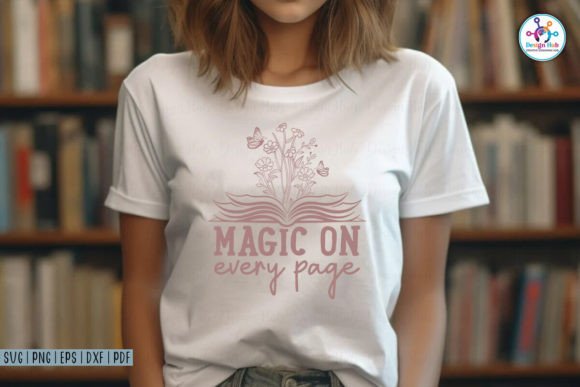
The moment I opened the file, the layout felt intentional. Unlike many clip-art style graphics that feel scattered, this design has a clear focal point. It evokes a sense of wonder and literary charm, which makes it an excellent candidate for nursery decor, baby clothes, or holiday gifts. The mood is soft yet distinct, avoiding the overly complex line work that often turns into a muddy mess during stitching.
From a design perspective, the balance of negative space is crucial. If a design is too dense, it loses its elegance; if it is too sparse, it lacks impact. Magic on Every Page SVG strikes a competent middle ground. It suggests a narrative—perhaps a spellbook, a magical library, or a whimsical reading nook—which adds emotional value to the finished product. For Etsy sellers and creative entrepreneurs, this narrative quality is gold. Customers don’t just buy a tote bag; they buy the feeling of cozy magic associated with the imagery.
Real-World Application: The Tote Bag Test
To test the viability of this design for real use, I selected a heavy-duty canvas tote bag. This is a common substrate for craft fair products and branded merch, but it presents challenges. Canvas is textured and can distort fine details if the stabilizer isn't chosen correctly. I also considered using this for sweatshirt embroidery, where the fabric is thicker and more prone to shifting.
When digitizing or preparing this for machine embroidery, the first consideration is the stitch type. While the source file is provided as high-quality SVG, PNG, EPS, PDF, and DXF formats, the actual execution depends on how those shapes are converted into stitches. Assuming a standard conversion:
- Satin Stitch Edges: These will provide a clean, professional border that prevents fraying on the fabric edges. For a design like this, clean edges are essential to maintain the "magic" illusion rather than looking like a rough draft.
- Fill Stitches: Any solid areas within the design need adequate coverage. On a tote bag, you want density that feels substantial but not stiff. If the fill is too light, the canvas texture will show through, ruining the visual integrity.
- Running Stitch Accents: Delicate lines or decorative accents benefit from running stitch, which mimics hand-sewn details. This adds a layer of sophistication that elevates the handmade product above mass-produced items.
In practice, I found that the design works exceptionally well centered on the front panel of a tote bag. It allows the design to breathe. However, attempting to shrink this down for a tiny embroidered patch might result in lost detail. The curves and internal spaces may close up, creating a blob rather than a recognizable image. Therefore, I recommend reserving this design for larger hoop sizes where clarity can be maintained.
Where to Use It (And Where to Be Careful)
Not every surface is created equal. While Magic on Every Page SVG is versatile, knowing its limits is what separates a pro from an amateur. Here is a breakdown of where this design shines and where it might struggle.
Ideal Use Cases
- Cotton Blends and Linen: These fabrics stabilize well and accept thread colors beautifully. A cream-colored linen apron with this design would look stunning, offering a rustic yet magical vibe perfect for kitchen towels or homemade gifts.
- Pillow Covers: Home decor is a huge market for embroidery. The soft, inviting nature of this design fits perfectly on throw pillows for living rooms or nurseries. It pairs well with neutral tones, allowing the thread colors to pop.
- Baby Items: For personalized gifts, such as muslin blankets or hooded towels, the whimsical theme resonates with parents. Just ensure you use soft, skin-safe threads and avoid any sharp corners in the digitized version.
- Holiday Gifts: This design has seasonal flexibility. It can easily fit into Christmas markets or winter-themed craft fairs, especially if paired with festive reds, greens, or golds.
Areas Requiring Caution
There are scenarios where this design needs extra attention. First, avoid using it on stretchy fabrics like spandex blends unless you are using a heavy-duty tear-away stabilizer and possibly a cut-away backing for long-term durability. Stretch can cause distortion, warping the "magic" into a wavy mess.
Second, be wary of dark fabrics. If the design relies on white or light-colored highlights, contrast becomes a major issue. You may need to add a backing layer or adjust your thread palette to ensure visibility. Always inspect small details on dark backgrounds by printing a black-and-white mockup first. This simple step can save hours of re-stitching.
Finally, curved surfaces like caps or hats require careful hooping. If the design is too wide for the cap’s curve, it will pucker. Check the hoop size compatibility before committing to the project. If the design exceeds the stable area of the hoop, consider breaking it into sections or choosing a smaller format.
Practical Designer Notes for Success
Before you load this file into your embroidery machine, follow these steps to ensure a professional finish.
Test on Scrap Fabric: Never run a new design directly onto your final product. Use a scrap piece of the same fabric and stabilizer combination. This reveals tension issues, thread breaks, or alignment problems early.
Check Thread Color Contrast: The visual appeal of Magic on Every Page SVG depends heavily on color choice. High contrast generally yields the best results. If you are using low-contrast colors (e.g., beige thread on tan fabric), the design may disappear. Experiment with different thread palettes to find the one that maximizes visibility and aesthetic harmony.
Review Stitch Density: Excessive stitch density can make a garment stiff and uncomfortable. Ensure the digitization (or your manual settings) balances coverage with flexibility. For apparel, comfort is key. For home decor like pillows, slightly higher density is acceptable for durability.
Confirm Licensing: Since this is a digital product used for commercial purposes, verify the license terms. Some designs allow unlimited commercial use, while others restrict the number of items you can sell. As an Etsy seller or small business owner, protecting yourself legally is as important as the design itself.
Inspect Small Details: Zoom in on the digital file. Are there tiny elements that might get lost in translation? If so, consider simplifying the design or removing non-essential details to improve stitchability.
Final Verdict
Magic on Every Page SVG is a strong contender for designers looking to add a touch of whimsy to their repertoire. It is not just a graphic; it is a mood enhancer that can elevate simple items like tote bags, aprons, and baby clothes into memorable keepsakes. Its versatility across Crafts and Graphics categories makes it a valuable asset for digital product sellers and physical makers alike.
However, success lies in execution. By respecting the limitations of fabric types, hoop sizes, and stitch densities, you can transform this digital file into a stunning finished product. Whether you are creating a personalized gift for a friend or stocking your boutique with unique merchandise, this design offers a reliable foundation for creativity. Just remember: the magic happens not just in the file, but in the careful, skilled hands that bring it to life.