Gnome Sweet Gnome Sticker Review
As a designer who has spent years turning digital files into tangible, stitched treasures, I approach every new download with a mix of excitement and skepticism. When Gnome Sweet Gnome Sticker landed in my inbox, I didn't just see another cute graphic; I saw a potential centerpiece for a holiday collection or a whimsical addition to a custom gift line. The product is listed under Crafts and Graphics, but its true value lies in how it translates from a screen to the needle. Before committing this design to a client's order or a craft fair display, I put it through the same rigorous mental checklist I use for any machine embroidery design.
First Impressions: Mood and Visual Personality
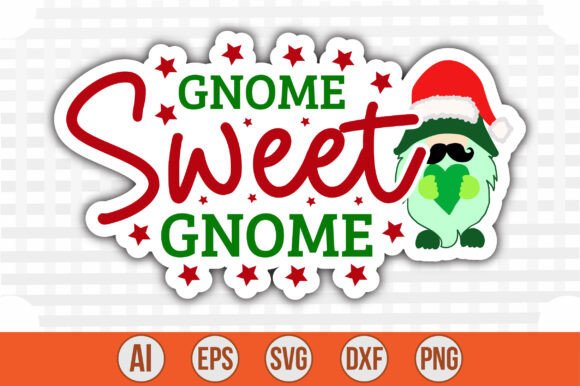
The moment you open the file, the personality of Gnome Sweet Gnome Sticker shines through. It isn't just a shape; it carries a distinct mood that feels cozy, slightly mischievous, and undeniably charming. For an embroidery designer, the initial visual assessment is about more than just cuteness; it is about stitchability. The layout appears balanced, avoiding the cluttered look that often plagues small, intricate designs. The visual weight suggests it will hold up well on various surfaces without looking lost or overwhelming.
When I imagine this design as a finished product, it naturally belongs in projects that require a touch of warmth. It screams "handmade" and "personalized," making it perfect for nursery decor, holiday gifts, or boutique branding. The character design implies a specific thread color palette—likely rich earth tones mixed with bright accents—which would create a high-contrast, professional finish when executed correctly. It feels like a design that customers will recognize immediately, adding a layer of brand consistency to any small shop product.
Real-World Application: From Screen to Stitch
To truly understand the utility of Gnome Sweet Gnome Sticker, I simulated a real-life scenario: creating a custom embroidered tote bag for a local holiday market. The goal was to produce a high-quality item that would appeal to Etsy sellers and handmade enthusiasts alike. In this context, the design's versatility becomes apparent. Unlike rigid clipart, this file format allows for adjustments that are crucial for different garment types.
If applied to a sweatshirt embroidery project, the design would likely serve as a focal point on the chest or back. The density of the stitches needs to be considered here; too much fill stitch could make the fabric stiff, ruining the drape of a premium hoodie. However, if used as an applique design on a lighter fabric, such as a linen tote bag, it offers a textural contrast that elevates the perceived value of the finished product. The inclusion of multiple file formats means I can easily adapt the design for different techniques, whether it requires a satin stitch border for crisp edges or a running stitch for a softer, folk-art feel.
I also envisioned using this for baby embroidery items. A soft onesie or a bib featuring Gnome Sweet Gnome Sticker would be an instant hit for personalized gifts. The design's scale seems appropriate for these smaller items, provided the hoop size is managed carefully. It creates a sense of playfulness that parents love, but the execution must be flawless to ensure comfort against sensitive skin.
Navigating Technical Challenges and Limitations
While the design is promising, no single file is a magic bullet for every situation. As an experienced reviewer, I must highlight where Gnome Sweet Gnome Sticker might require extra caution. Small hoop sizes present a significant challenge; if the design contains fine details or tiny lettering, shrinking it down for a child's hat or a cap can result in lost definition. The stitching clarity may suffer, turning delicate lines into muddy blobs.
Fabric texture is another critical factor. On textured fabrics like terry cloth or heavy denim, the design might not lay flat, causing thread breaks or uneven coverage. Thin or stretchy fabrics demand a robust stabilizer strategy. Without proper support, the tension of the machine could distort the fabric, pulling the design out of shape. Similarly, dark fabrics pose a risk for visibility. If the base threads are light, they might get lost against a black background unless a dense underlay or specific thread colors are selected.
Layers and curved surfaces add another layer of complexity. Embroidering on a layered garment or a curved surface like a cap requires precise digitizing to account for the angle. If the design includes detailed corners or decorative accents, these areas are prone to thread bunching if the stitch density is too high. Furthermore, products that need frequent washing, such as kitchen towels or aprons, require a design that can withstand abrasion. While Gnome Sweet Gnome Sticker looks great initially, long-term durability depends heavily on the quality of the stitch density and the choice of thread.
Impact on Brand Value and Customer Trust
In the world of commercial embroidery and craft business, the difference between a amateur job and a professional one often comes down to detail. A well-executed Gnome Sweet Gnome Sticker design enhances visual appeal and boosts customer trust. Buyers can tell the difference between a rushed print and a carefully stitched piece. When the satin stitch is smooth, the fill stitch is even, and the edges are clean, it signals professionalism.
This attention to detail directly influences buyer engagement. A customer browsing an Etsy listing is more likely to purchase a $35 embroidered pillow cover than a $10 printed version if the imagery looks substantial and tactile. The design acts as a badge of quality, suggesting that the maker cares about the final product. For digital product sellers, having a versatile file like this allows for creating printable mockups that accurately represent the finished product, setting realistic expectations and reducing returns.
Practical Designer Notes for Success
Before you run this design through your machine, there are essential steps to ensure success. First and foremost, test the design on scrap fabric. This simple step reveals issues with thread tension, stabilizer choice, or stitch density before you commit to a saleable item. Check the thread color contrast by reviewing the design in black and white mockups; sometimes colors that look good on a screen clash when stitched.
Review the stitch density closely. If the design feels too dense, consider adjusting the settings or using a lighter stabilizer to prevent puckering. Confirm the hoop size matches your intended project; do not force a large design into a small hoop. Inspect small details and tiny lettering at 100% zoom to ensure they won't disappear after stitching. Compare the design on both light and dark fabric backgrounds to determine the best aesthetic application.
Finally, always use the proper stabilizer for your specific fabric type. Whether you are working on a tea towel, a blanket, or a patch, the foundation is key. Ensure you have confirmed licensing terms regarding commercial embroidery and selling finished items. The package includes SVG, PNG, EPS, DXF, and JPEG files compatible with Cricut, offering flexibility for both digital cutting and embroidery workflows. By following these guidelines, Gnome Sweet Gnome Sticker transforms from a simple graphic into a cornerstone of your creative portfolio.