Coquette Bow 4th of July SVG Sublimation Review
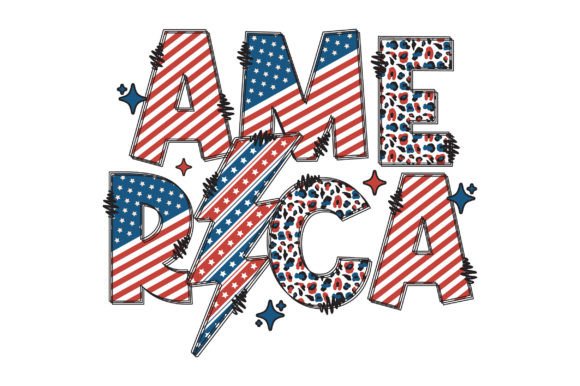
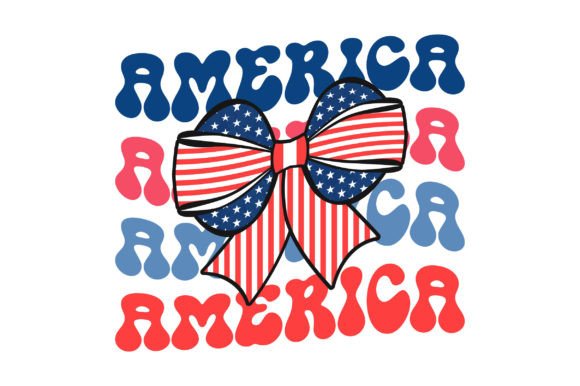
As a designer who spends hours evaluating digital assets for real-world production, I rarely get excited about another patriotic graphic. The market is flooded with stars, stripes, and eagles that often feel generic or overworked. However, Coquette Bow 4th of July SVG Sublimation caught my eye not because it breaks new ground in theme, but because it successfully merges two distinct aesthetic trends: the delicate, feminine "coquette" style and traditional Americana. When I first opened the files to test this design, I wasn't just looking at a shape; I was visualizing how it would translate from a flat screen into a tangible, stitched reality.
The immediate mood this design creates is playful yet polished. It moves away from the rugged, distressed look of typical summer merchandise and leans into something softer and more boutique-oriented. For small business owners and Etsy sellers, this distinction is crucial. It allows you to target a specific demographic that loves handmade goods but wants something that feels curated rather than mass-produced. The layout suggests a high-end gift item, perfect for a baby shower, a bridal party favor, or a special holiday outfit.
From Screen to Stitch: A Real-World Scenario
To truly understand the utility of this file, imagine I am preparing a custom order for a client who runs a local boutique. She needs a limited-run collection for the Fourth of July weekend. Instead of standard red, white, and blue t-shirts, she wants to create a line of premium tote bags and aprons for a cooking class series. This is where Coquette Bow 4th of July SVG Sublimation becomes a strategic asset.
I pulled up the vector file to simulate an embroidery placement on a heavy cotton canvas tote. The bow's loops are intricate enough to demand attention but structured enough to hold their shape. In my mind, I could already see the customer reaction: they wouldn't just see a holiday decoration; they would see a statement piece that feels personal and thoughtful. The design bridges the gap between a seasonal novelty and a timeless accessory. If I were stitching this onto a sweatshirt, the soft curves of the bow would contrast beautifully against the textured fabric, creating a tactile experience that elevates the perceived value of the finished product.
This scenario highlights why this design works so well for commercial embroidery projects. It isn't just a graphic; it is a brand builder. When a buyer sees a coquette-style bow on a patriotic background, it signals that the maker understands current trends while respecting the tradition of the holiday. It transforms a simple craft business item into a desirable boutique product.
Navigating Fabric and Texture Challenges
While the visual appeal is strong, every experienced designer knows that aesthetics mean nothing if the stitch quality fails. My review of Coquette Bow 4th of July SVG Sublimation includes a critical look at where this design might struggle in a physical environment. The coquette aesthetic relies heavily on detail—tiny ribbons, subtle shading, and precise lines. These elements require careful consideration regarding fabric texture and hoop size.
If you plan to use this machine embroidery design on a stretchy fabric like a jersey knit or a thin tee shirt, you must be cautious. The density of the fill stitches required to make the bow pop can cause puckering if the stabilizer isn't chosen correctly. I recommend avoiding very small hoop sizes for the initial tests. While the design looks great in mockups, shrinking it down too much for a tiny cap or a baby onesie might result in lost details. The fine points of the ribbon tails could blur together if the stitch density is too high for the thread count available.
Furthermore, consider the color palette. The description notes that the file is easy to change colors, which is excellent for versatility. However, when moving to dark fabrics, the underlay stitches become critical. Without a proper underlay, the white or light-colored satin stitches of the bow might sink into the dark background, losing definition. This is particularly important for embroidered patches or kitchen towels where the design will be subjected to frequent washing and handling. You want the bow to remain crisp after the first few cycles, ensuring the handmade product maintains its professional appearance.
Technical Considerations for the Maker
For those of you diving into the technical side of this graphics category, there are specific steps to ensure success before you hit the start button on your embroidery machine. First and foremost, always test the design on scrap fabric. Do not assume that a design that looks perfect on a computer screen will stitch perfectly on your specific setup. Check the thread color contrast immediately. A black bow on a navy background might disappear, whereas a white bow on a red flag would sing.
Reviewing the stitch density is non-negotiable. If the design uses too many running stitches in tight spaces, the fabric may tear or the threads may bunch up. Conversely, if the fill stitches are too dense, the fabric might pucker around the edges of the bow. Confirm your hoop size early in the process. A design that requires a large hoop might not fit well on a curved surface like a baseball cap, even if the vector file is scalable. Always inspect small details closely; sometimes, what looks like a single line in the software is actually three overlapping paths that need separation for better clarity.
Another vital step is testing the design in black and white mockups. This helps you visualize the negative space and ensures that the silhouette of the bow remains recognizable even without color. Compare light and dark fabric backgrounds to see how the design adapts. Use a proper stabilizer that matches the weight of your fabric—a cut-away stabilizer is usually best for woven items like tote bags, while a tear-away might suffice for lighter garments. Finally, check whether the design works for both personal and commercial projects. Licensing terms vary, and you must confirm these details before selling finished items or using the digital embroidery file as part of a larger commercial asset package.
Why This Design Elevates Your Craft Business
In the crowded world of handmade products, differentiation is key. Coquette Bow 4th of July SVG Sublimation offers a unique angle that sets your offerings apart from the standard holiday inventory. By incorporating this design into your personalized gifts or custom apparel, you signal to your customers that you are paying attention to detail and current design trends. It adds a layer of sophistication to your craft business that can justify higher price points.
Whether you are creating a printable mockup for an Etsy listing or producing a batch of holiday embroidery for a local shop, this file provides a solid foundation. It works seamlessly for holiday embroidery projects, bringing a fresh take to the season. The ability to easily change colors means you can adapt the design for different themes within the same collection, maximizing the value of your digital product preview. Ultimately, this design is more than just a vector; it is a tool for building trust and recognition among buyers who appreciate quality and creativity.
When you approach your next embroidery project, think beyond the basic shapes. Look for designs that tell a story and evoke an emotion. Coquette Bow 4th of July SVG Sublimation does exactly that. It combines the nostalgia of the 4th of July with the charm of modern fashion, resulting in a finished product that feels both timely and timeless. As you move forward with your crafting endeavors, remember that the success of your project lies in the preparation and the care you put into every stitch. With the right execution, this design has the potential to become a standout piece in your portfolio.